A fall wedding sits in the most flattering window of the year and the most unpredictable. The ceremony can be seventy degrees and golden; the reception can be forty-five with wind coming off a field. The outfit that works is the one built for both halves of the day.
Here's how to think about it — dress code first, then colour, fabric, and the practical decisions that actually determine whether you enjoy the evening.
Start with the dress code on the invitation
The invitation is the only reliable instruction you have. Everything else — the venue, the season, what someone wore last year — is context, not a rule.
| Dress code | What it generally means in fall | Safe direction |
|---|---|---|
| Black tie | Floor-length, or a very formal shorter dress at some weddings | Gown in a substantial fabric, closed or heeled sandal, evening clutch |
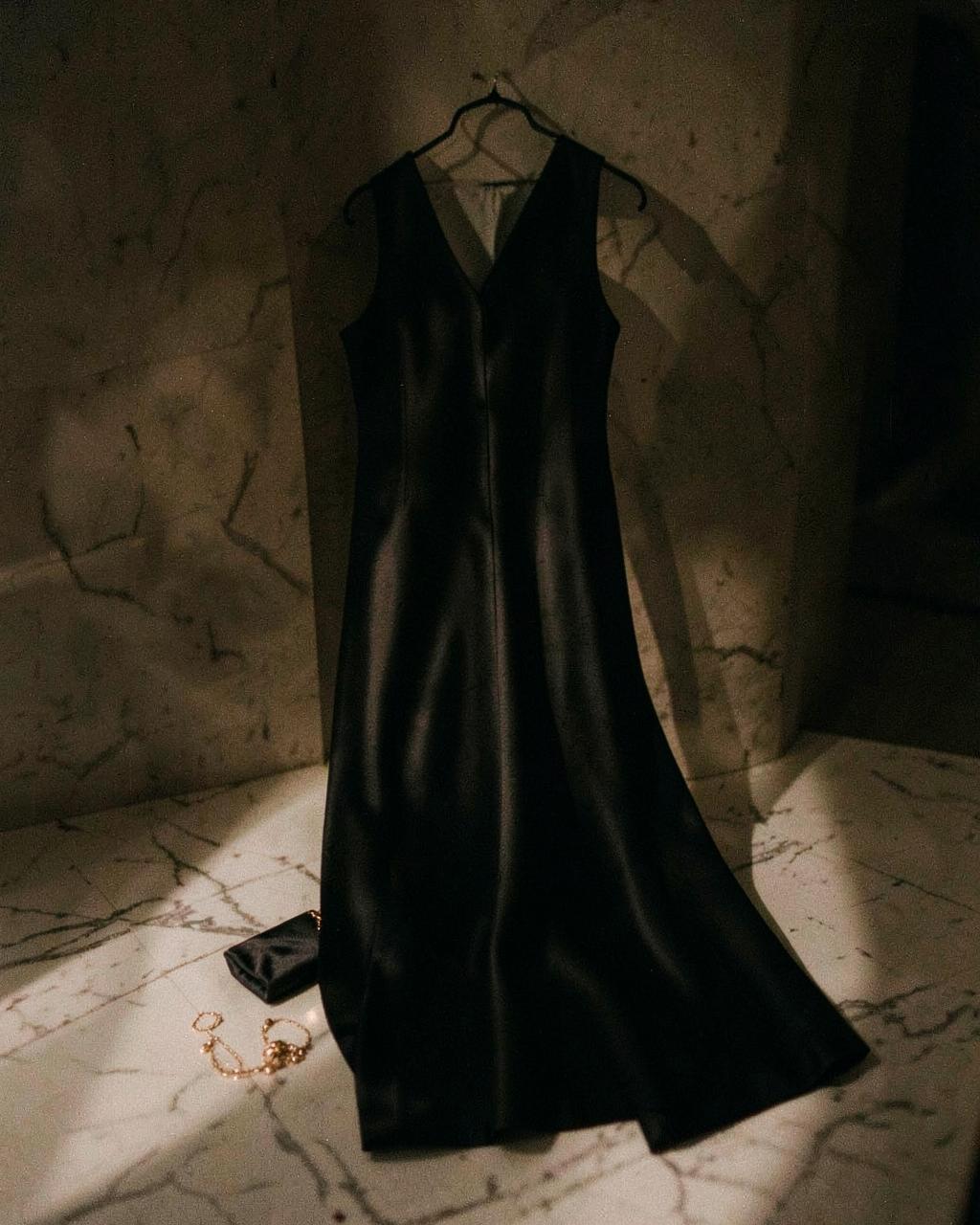
| Black tie optional / formal | Long is welcome; a polished midi is equally correct | Midi or maxi in satin, velvet or crepe |
| Cocktail | Knee-length to midi, elevated fabric | Midi dress, or a dressy separate with a heel |
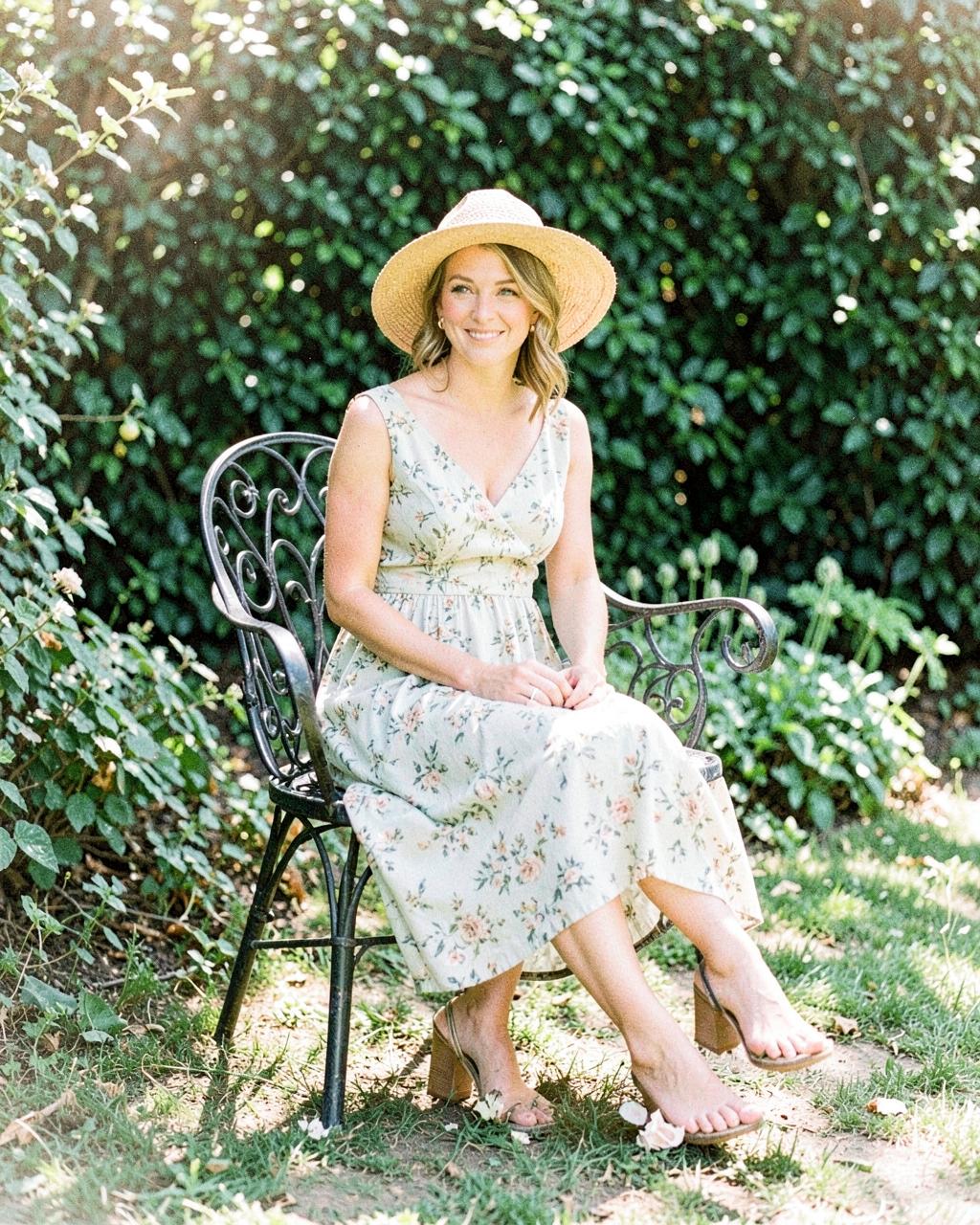
| Semi-formal / dressy casual | Daytime-appropriate, still considered | Printed midi, knit-and-skirt combination, block heel |
| Garden party / outdoor | Comfortable in grass and daylight | Midi with a wearable shoe and a layer for later |
Fall colour, without dressing as a season
Autumn palettes photograph beautifully, but the point isn't to wear the leaves. The colours that consistently work are the deeper, slightly muted versions of what you'd already wear.
- Deep neutrals — chocolate, camel, oatmeal, taupe, charcoal. Reads expensive in almost any fabric.
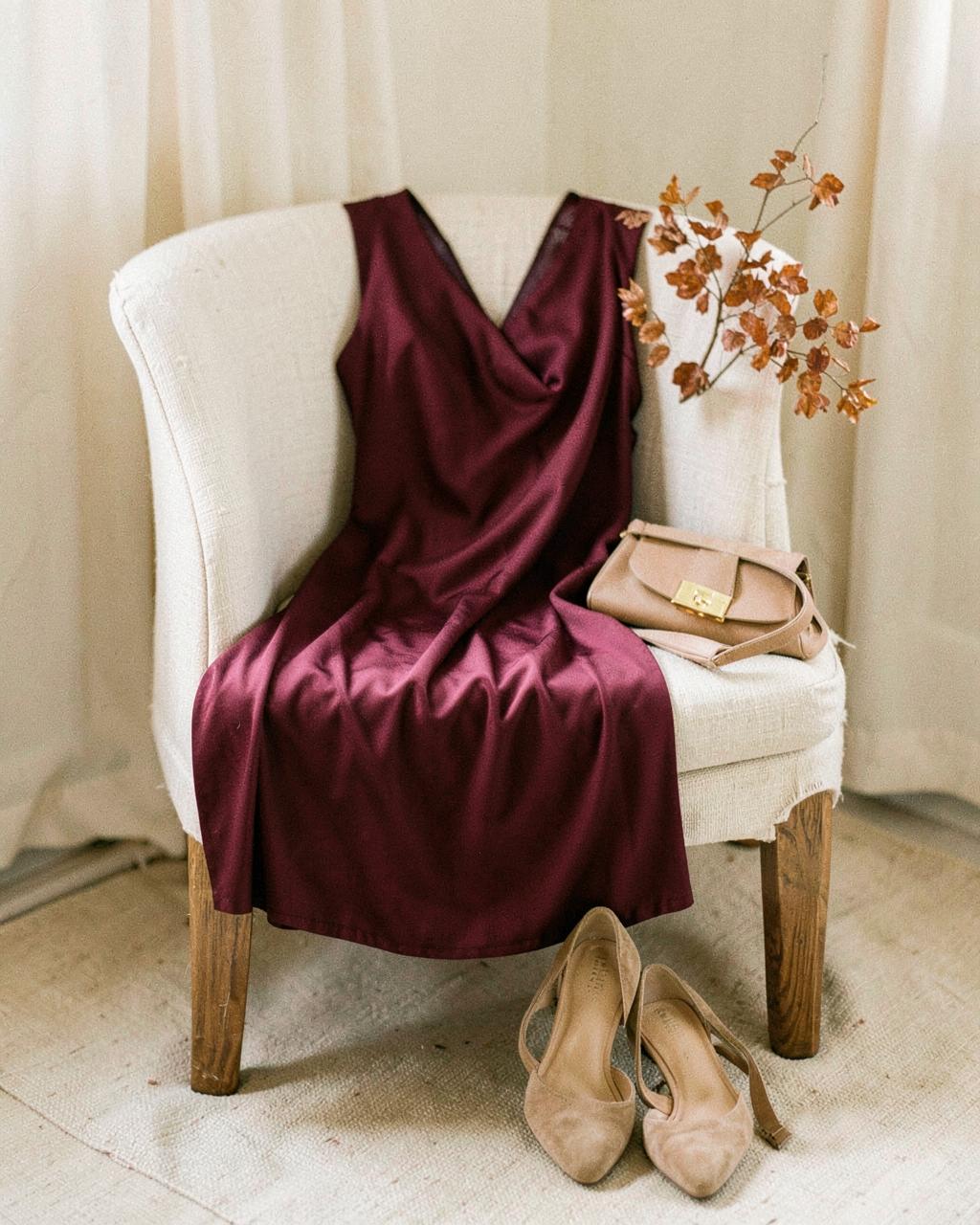
- Wine and berry — burgundy, plum, garnet. The most forgiving fall colour on nearly every skin tone.
- Forest and olive — green is under-worn at weddings and photographs very well outdoors.
- Rust, terracotta and amber — warm without tipping into costume.
- Navy and midnight — the quiet alternative to black for evening.
- Ivory-adjacent shades — champagne, bone, cream. Beautiful, but see the note below.
Fabric matters more in fall than any other season
The same silhouette in the wrong fabric is what makes an outfit read out of season. Weight is the tell.
- Works well: crepe, satin, velvet, jacquard, heavier chiffon, ponte, wool-blend suiting, sequin, taffeta.
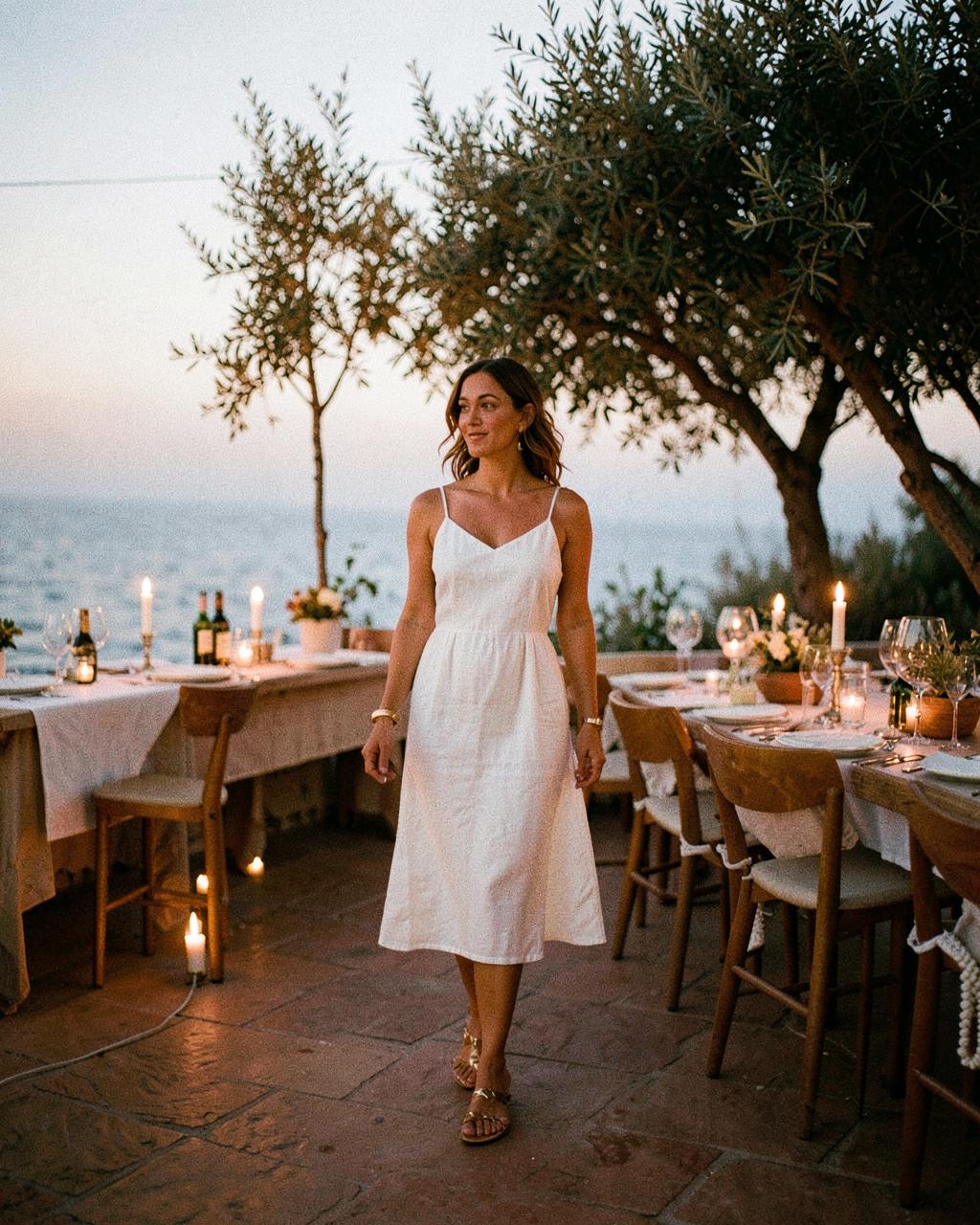
- Use carefully: linen, eyelet, seersucker, gauzy cotton and very sheer chiffon read summer, though a warm October afternoon can carry them.
- Consider lining: unlined dresses in cold rooms are a long night. A lined dress or a slip underneath makes a real difference.
Day wedding vs evening wedding
Daytime (ceremony before about four)
- Lighter and warmer colours, prints, and a little less shine.
- Midi lengths tend to look more natural in daylight than floor-length.
- A block heel, kitten heel or elegant flat is usually the right shoe.
Evening (ceremony after about five)
- Deeper colours, richer fabrics, more permission for shine.
- Long lengths and metallics feel correct rather than overdressed.
- Assume the temperature will drop and plan the layer before you leave.
If any part of it is outdoors
Fall outdoor weddings are the ones people underestimate. Two things decide whether you're comfortable: your shoes and your layer.
Outdoor fall wedding check
- Ground surface — grass, gravel or flagstone all punish a stiletto. Block heel, wedge or a flat with structure.
- Sunset time — the temperature drop after the ceremony is usually sharper than people expect.
- Wind — very light fabrics and loose hair both become a project outdoors.
- Distance — a shuttle, a lawn crossing or a gravel drive between ceremony and reception changes your shoe choice.
- A second shoe in the car, if the reception involves dancing.
Layers that don't ruin the outfit
A cardigan pulled on at the last minute is the most common way a good outfit falls apart. Choose the layer at the same time as the dress, not afterwards.
- Tailored blazer — sharp over a slip or midi, and genuinely warm.
- Cropped or waist-length jacket — keeps a long dress's proportion intact.
- Fine-knit wrap or pashmina — packs into a clutch, works over almost anything.
- Faux fur or shearling stole — evening only, and only if it suits the formality.
- Long coat — for arrival and departure; check whether the venue has a coat check.
Shoes, bag and jewellery
- Shoes: closed-toe, slingback, block heel and elegant flats all read correct in fall. Fully open sandals can look out of season by November.
- Bag: a small structured clutch or a compact shoulder bag. A day tote next to a formal dress is the fastest way to look unfinished.
- Jewellery: one strong piece. Statement earrings with a bare neckline, or a necklace with simple studs — rarely both.
- Tights: sheer or opaque in a cold-weather wedding is a practical choice, not a dated one. Match the formality of the dress.
What to avoid
- White, ivory or anything that photographs as bridal, unless invited.
- A shoe you have never walked in for more than ten minutes.
- Very sheer summer fabrics at a November evening wedding.
- Underdressing a black tie invitation — it's the one dress code where guessing down is noticeable.
- A layer chosen in the car park.
Beyond that, etiquette varies genuinely by family, region and couple. If you're unsure whether something is appropriate at a particular wedding, ask someone in the wedding party — that's a faster answer than any rule.
Three outfits that always work
- Burgundy satin midi, block-heel slingback, gold statement earring, small clutch, tailored black blazer for later. Works for cocktail and most formal weddings.
- Chocolate long-sleeve column dress, pointed flat or low heel, simple gold jewellery. Ideal for a daytime or barn wedding where you'll be on your feet.
- Deep green velvet gown, metallic sandal, evening clutch, fine wrap. The black tie option that isn't another black dress.
If you're navigating a stricter invitation, the black tie wedding guest guide goes deeper. For an outdoor autumn ceremony, the garden wedding guide covers terrain and daylight in more detail.